Equity Research; PM Andy Burnham
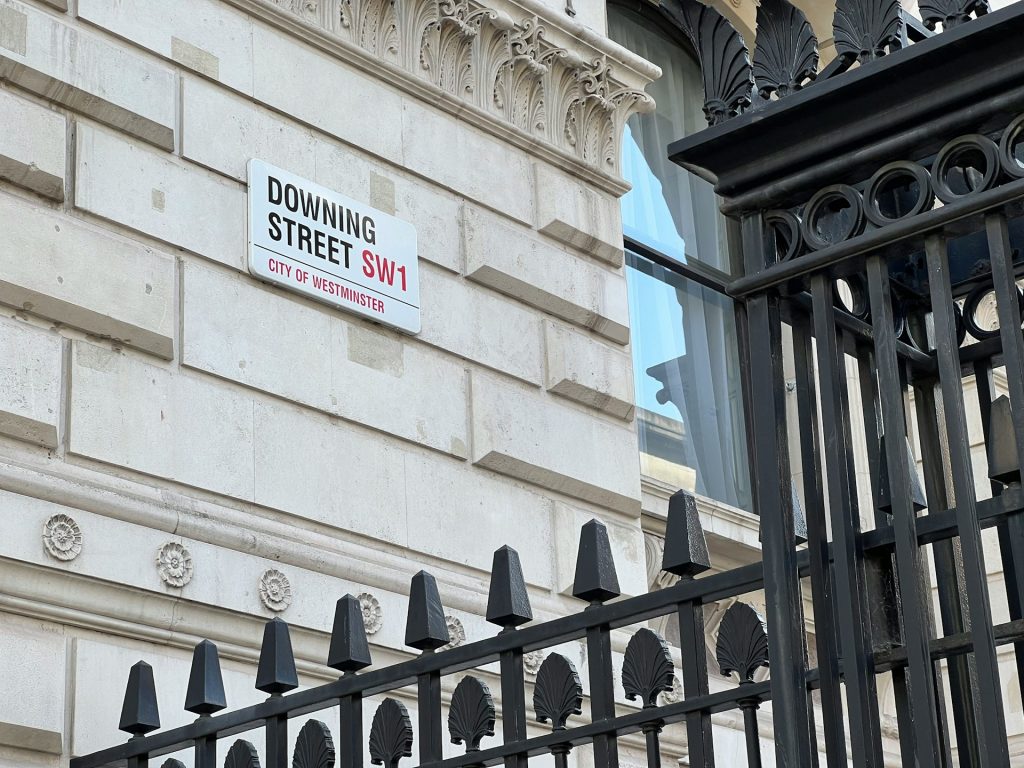
PM Andy Burnham – the background
New PM Andy Burnham has cleanly ascended to no 10 after former PM Sir Kier Starmer bowed out gracefully despite his promise to fight a leadership election. One can only assume that Starmer was persuaded the effort would be futile as Andy Burnham had won over the Parliamentary Labour Party ‘PLP’. Politics can be brutal, short-term and arguably panicked.
I say panicked because the PLP has convinced itself that the party’s trajectory in terms of public perception, will be tangibly altered by the new PM. But large parts of the country are too lacking in knowledge about Andy Burnham to be able to be immediately enamored.
Clearly illustrative of the North-South divide, insofar as perceptions are concerned, the former Mayor of Greater Manchester is for many, a virtual unknown outside Labour’s Northern wall heartlands. Having left the House of Commons in May 2017, the public is perhaps vaguely aware of his achievements in revitalizing Manchester, even if their memories of Burnham’s parliamentary stint as MP for Leigh have dimmed.
Prior to his arrival in No.10 Andy Burnham has done one interview with Newsnight and another with Gary Lineker, an approach that can best be described as ‘keeping everyone guessing’. This suggests a highly media savvy approach of ‘less is more’.
Part of Burnham’s popularity is he comes across as authentic (his Northern accent is reminiscent of Harold Wilson) and hits a nerve when he talks about the pre-Thatcher period, the 1960’s and 1970s in warm, glowing terms, council run leisure centres, affordable council homes and the social cohesiveness that has since disappeared. He has a convenient amnesia about the multiple crises the UK faced at that time, its strikes, high inflation etc. At times the suspicion is this is illusion pedaling, spinning a nice story that is somewhat deceptive and ill informed, but done nonetheless because the public falls for it.
I recall an emotional Andy Burnham on Newsnight speaking about UK veterans groups who for decades campaigned for compensation for the UK’s 22k Royal Navy/ RAF personnel involved in Britain’s nine nuclear bomb tests near Christmas Island ‘Operation Grapple’ in 1957-58. These veterans, some of whom were deliberately sailed into radioactive fallout under a mushroom cloud, had their damages claims declined (on the grounds of being time barred) by the Supreme Court in 2012. They were eventually handed a commemorative medal by PM Rishi Sunak in 2023. Andy Burnham has described previous governments’ behaviour in respect of Christmas Island as ‘a criminal cover-up on an industrial scale’. These vets probably now think their luck has turned. As First Lord of the Treasury, will Andy Burnham sign off on potentially billions in compensation to these vets? Possibly.
So clearly Burnham is possessed with a strong sense of justice and human rights insofar as the UK is concerned – on the evidence to date.
Main issues concerning investors – more devolution, ‘Manchesterism’
The UK is walking a fiscal tightrope and facing significant demographic challenges regardless of the country’s leadership or the various personalities involved or even policies. The Starmer leadership proved that the country is desperate for change but that delivering it at the required speed is extremely difficult. I am hopeful that the new leadership targets the UK’s major welfare and healthcare expenses early on, in the term.
Andy Burnham is keen on empowering local government encouraging further devolution moving power away from London, via “No 10 North” based in Manchester which will be ‘the new nerve centre of a rewired Britain’ aimed at detaching from Westminster and driving a regional agenda.
Devolution took significant steps under the much maligned former PM Sir Tony Blair who promised devolution in 1997, and delivered both the Scottish Parliament and Welsh Assembly in 1999 each with significant devolved powers. In the decades since, devolution has not meaningfully delivered economic growth for either. In Q1 2026 Scotland GDP was 0.1% essentially stagnant and lagging the UK average. Wales has major economic problems with 22% of its population in poverty, a GDP per capita that has historically lagged the UK average by about 25%. Wales is considered economically impoverished relative to western Europe. Hence it is not clear that devolution in the last 30 years has helped in either case. Why therefore should it be a solution going forward.
On to ‘Manchesterism’ the notion that the city’s revival via ‘business friendly socialism’ make a good blueprint for the UK. Well as many have pointed out, there are significant differences rolling out a city plan vs a national plan with far more constraints/ complications, moving parts and a lengthier timeframe.
Conclusion
My view is the new PM is essentially neutral for both bonds and equities. I do not expect significant movements over the summer period. I think capital markets will give PM Andy Burnham time to attempt structural changes.
But for the public, Burnham has his work cut out in both presenting a viable vision and then achieving it or at least making progress towards it ahead of the 2029 general election. Credibility rests on under promising and overdelivering however as of now, there is simply too little information to draw any conclusions on viability either way. The new Cabinet will be important in framing a revised approach and managing the PLP’s expectations, but the pace of Labour’s plan must accelerate if it is to recapture hearts and minds.